
Posts by Dona Rule
The AMSOIL Advantage: Engineered to Protect, Built to Last
When it comes to protecting your machinery, not all lubricants are created equal. Whether you are maintaining a daily commuter, a heavy-duty work truck, or a marine watercraft, your engine demands oil that can withstand extreme heat, intense pressure, and grueling friction. That is where Amsoil stands alone. Decades of rigorous research and premium synthetic…
Read MoreWhy Denver Drivers Need Different Motor Oil: Benefits of Synthetic Oil for High Altitude Vehicles
Choosing synthetic oil in Denver is crucial for high-altitude performance. Learn how the right motor oil enhances efficiency and protects engines effectively.
Read MoreThe environmental benefits of using Amsoil

Learn the environmental benefits of using AMSOIL synthetic oil. Reduce waste and emissions with a simple switch. Explore now!
Read MoreAMSOIL vs conventional motor oil

Compare Amsoil and conventional oils to uncover key advantages and disadvantages. Learn which option is ideal for optimal engine performance and longevity.
Read MoreAdvantages of using synthetic motor oil

Discover the core benefits of switching to synthetic motor oil. Learn how engineered molecular structures reduce friction, maximize horsepower, and extend engine life under extreme conditions.
Read MoreAMSOIL – A Brief History
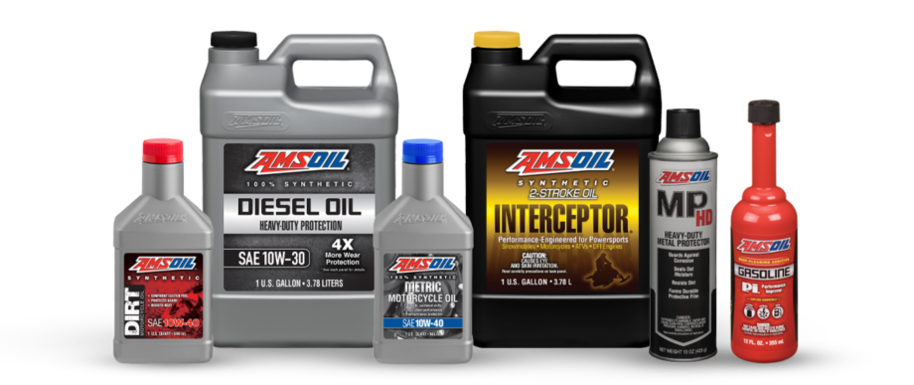
Explore the history of AMSOIL and its dominance in the synthetic motor oil market. Learn about AMSOIL’s innovative products.
Read MoreWhat is synthetic motor oil and how is it made?
Ever wonder what goes into premium synthetic oil? Explore the science behind Polyalphaolefins (PAO) and how chemically pure base oils outperform conventional options.
Read More