
Frequently Asked Questions
Is synthetic oil better for diesel engines?
Synthetic oil is often better for diesel engines due to its superior formulation, which provides enhanced protection, improved performance, and greater resistance to breakdown under extreme conditions. This leads to longer engine life and better fuel efficiency.
What are the benefits of using synthetic diesel engine oil?
The benefits of using synthetic diesel engine oil include enhanced engine performance, improved fuel efficiency, and superior protection against wear and tear, which ultimately contributes to longer engine life and reduced maintenance costs.
What advantages does synthetic oil offer?
The advantages of synthetic oil include superior engine protection, enhanced performance in extreme temperatures, improved fuel efficiency, and longer oil change intervals, making it an ideal choice for maintaining diesel engine longevity.
How does synthetic oil improve engine performance?
Synthetic oil improves engine performance by providing superior lubrication, reducing friction, and enhancing thermal stability. This leads to better fuel efficiency, increased horsepower, and extended engine life, making it an ideal choice for high-performance diesel engines.
Is synthetic oil worth the investment?
The value of investing in synthetic oil is significant. Synthetic oil offers superior engine protection, improved performance, and longer intervals between oil changes, ultimately saving you money and enhancing the longevity of your diesel engine.
What are the long-term benefits of synthetic oil?
The long-term benefits of synthetic oil include enhanced engine protection, improved fuel efficiency, and extended oil change intervals, all of which contribute to greater engine longevity and performance, particularly for diesel engines.
How often should I change synthetic oil?
The frequency of changing synthetic oil depends on the manufacturer's recommendations, but generally, it is advisable to change it every 7,500 to 15,000 miles for optimal engine performance and longevity.
Can synthetic oil extend engine life?
Synthetic oil can extend engine life by providing superior lubrication, reducing wear, and maintaining optimal performance under extreme conditions. Its advanced formulation helps protect diesel engines, ensuring longevity and reliability.
What makes synthetic oil different from conventional oil?
Synthetic oil differs from conventional oil in its formulation; it is engineered using advanced chemical processes, resulting in superior performance, better engine protection, and enhanced longevity, especially under extreme conditions.
Is synthetic oil suitable for all diesel engines?
Synthetic oil is suitable for most diesel engines, as it offers superior protection and performance. However, it's essential to check the manufacturer's recommendations to ensure compatibility with your specific engine model.
How does synthetic oil handle extreme temperatures?
Synthetic oil is designed to perform exceptionally well in extreme temperatures. It maintains its viscosity and lubricating properties, ensuring optimal engine protection and performance, whether in frigid cold or intense heat.
What are the environmental benefits of synthetic oil?
The environmental benefits of synthetic oil include reduced emissions, longer oil change intervals, and improved fuel efficiency, which collectively contribute to less waste and lower overall environmental impact compared to conventional oils.
How does synthetic oil affect fuel efficiency?
Synthetic oil positively affects fuel efficiency by reducing friction within the engine, allowing it to operate more smoothly. This enhanced lubrication leads to improved engine performance and can result in better fuel economy over time.
What is the cost difference between synthetic and conventional oil?
The cost difference between synthetic and conventional oil is significant. Synthetic oil typically costs more upfront but offers better engine protection and longevity, potentially saving money on maintenance and oil changes in the long run.
Can I mix synthetic oil with regular oil?
Mixing synthetic oil with regular oil is possible, but it's not recommended. Combining them can reduce the benefits of synthetic oil, potentially impacting engine performance and protection. For optimal results, it's best to stick with one type of oil.
What are the best brands of synthetic diesel oil?
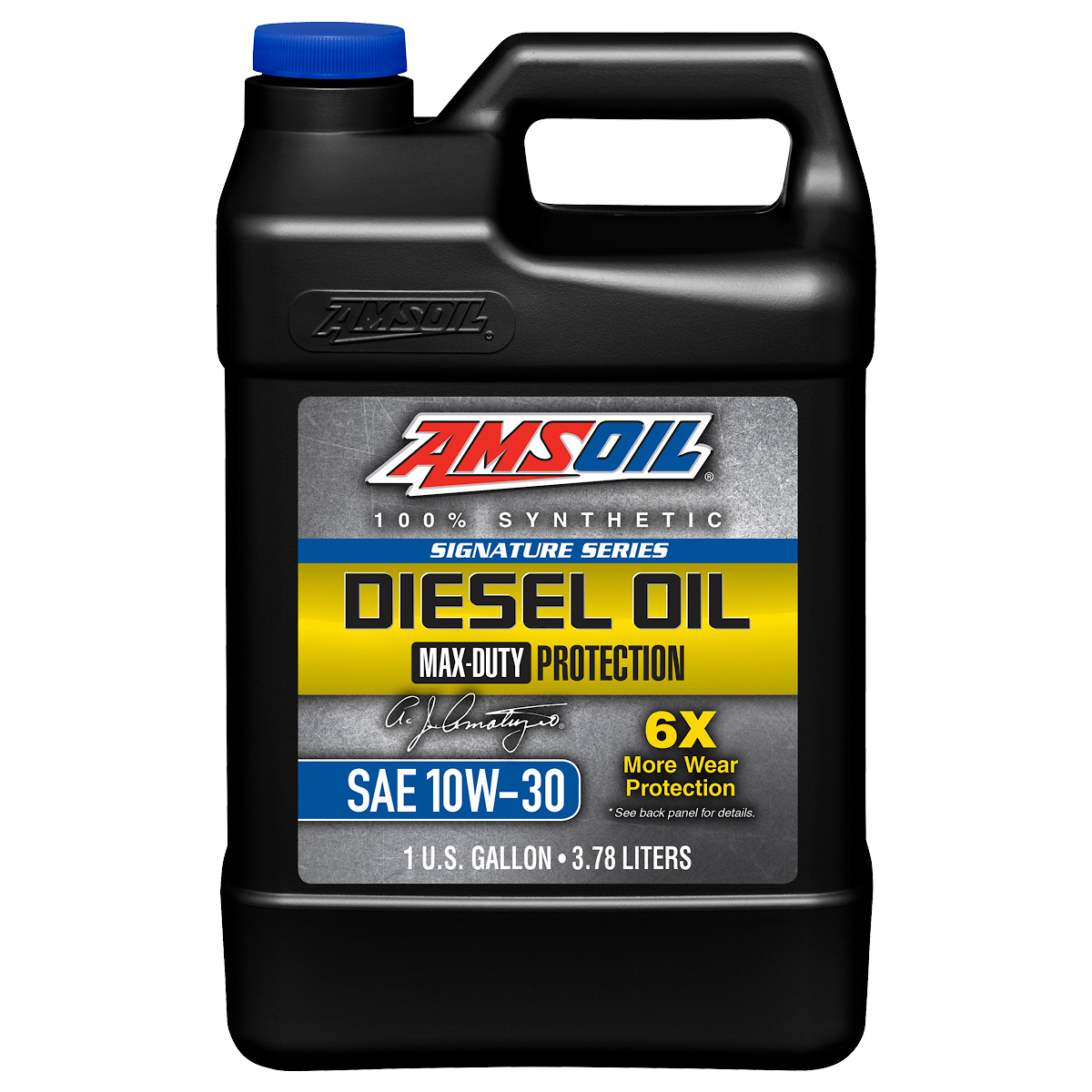
The best brands of synthetic diesel oil include AMSOIL, Mobil 1, and Castrol. These brands are known for their high-quality formulations that enhance engine performance and longevity, making them ideal choices for diesel engines.
How does synthetic oil reduce engine wear?
Synthetic oil reduces engine wear by providing superior lubrication, maintaining viscosity under extreme temperatures, and forming a protective barrier that minimizes friction between engine components. This leads to enhanced performance and longevity for diesel engines.
What is the shelf life of synthetic oil?
The shelf life of synthetic oil is typically around 5 years when stored properly. It remains effective as long as it is kept in a sealed container and away from extreme temperatures.
How does synthetic oil perform in cold weather?
Synthetic oil performs exceptionally well in cold weather. It maintains its viscosity, ensuring easier engine starts and better lubrication, which helps protect your diesel engine during frigid conditions.
What certifications should synthetic oil have?
The certifications that synthetic oil should have include API (American Petroleum Institute) and ILSAC (International Lubricant Standardization and Approval Committee) approvals, ensuring it meets industry standards for performance and protection in diesel engines.
How does synthetic oil impact oil change intervals?
The impact of synthetic oil on oil change intervals is significant. Synthetic oils typically offer better protection and performance, allowing for longer intervals between changes compared to conventional oils, often extending them up to 15,000 miles or more under optimal conditions.
What are common misconceptions about synthetic oil?
Common misconceptions about synthetic oil include the belief that it is only for high-performance engines and that it causes leaks in older engines. In reality, synthetic oil provides superior protection and performance for all engine types, including diesel engines.
How does synthetic oil affect engine noise?
Synthetic oil can significantly reduce engine noise by providing better lubrication and minimizing friction between moving parts. This leads to smoother operation and quieter performance, enhancing the overall driving experience.
What additives are in synthetic diesel oil?
The additives in synthetic diesel oil include detergents, dispersants, anti-wear agents, antioxidants, and friction modifiers. These components work together to enhance engine performance, reduce wear, and prolong the life of diesel engines.
How does synthetic oil improve lubrication?
Synthetic oil improves lubrication by providing superior film strength and stability, reducing friction and wear in diesel engines. Its advanced formulation ensures consistent performance under extreme temperatures, enhancing engine longevity and efficiency.
What should I look for in synthetic oil?
When looking for synthetic oil, consider its viscosity rating, performance specifications, and compatibility with your diesel engine. High-quality synthetic oils, like AMSOIL, provide superior protection and enhance engine longevity.
How does synthetic oil perform under heavy loads?
Synthetic oil performs exceptionally well under heavy loads. It maintains its viscosity, reduces friction, and provides superior lubrication, ensuring optimal engine performance and protection even in demanding conditions.
What are the risks of using synthetic oil?
The risks of using synthetic oil include potential compatibility issues with older engines not designed for synthetic formulations, which may lead to leaks or oil consumption. Additionally, some users may experience increased costs compared to conventional oils.
How can I tell if synthetic oil is right for me?
Determining if synthetic oil is right for you involves considering your vehicle's engine type, driving habits, and maintenance preferences. If you prioritize engine performance, longevity, and extended oil change intervals, synthetic oil is an excellent choice.
What are the signs of synthetic oil degradation?
The signs of synthetic oil degradation include a darkened color, increased viscosity, the presence of contaminants, and a burnt smell. Regular monitoring can help maintain engine performance and longevity.